Search

Eternal Approach

Month

July 2026

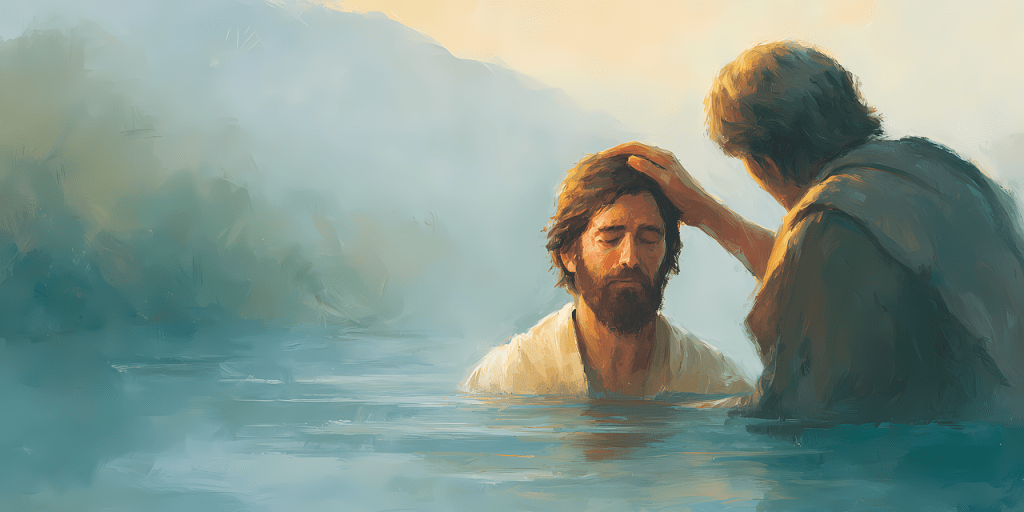
A “Sacrament” is Salvation in Installments: Water Baptism

Many denominations today clearly teach that Baptism (water immersion or sprinkling) is a necessary component of salvation.

In fact, most of the mainline Protestant denominations, let alone Catholicism, teach this.


Baptism, they say, is the “doorway” to Christ. Or the door by which a person enters into salvation. In Catholicism’s case, they believe this is the first step to enter into the “Church” – without which, they believe, there is no salvation.

Even as they preach about the importance of faith, they also require that one must be baptized in order to be saved. And then they add “good works” to the required mix.

Many groups add more “sacraments” such as the Lord’s Table (Communion according to most Protestants) or the Eucharist or the Eucharistic Celebration (according to Catholics, Episcopalians, etc.).

And although there are some differences in the ways that these sacraments are observed, they share the common heresy in teaching that there is some efficacy for forgiveness, cleansing, and salvation in these practices.

And while we’re at it, don’t forget about those who believe that the “confession of sins” to a priest (or an elder or some other authority), penance, good works, acts of contrition, tithing, church membership, confirmation, and a host of other things are also considered sacraments. Or are considered efficacious in cleansing from sin or in confirming one’s salvation.

So, what this all means is that salvation, according to them, is NOT simply by faith alone in Christ alone according to the Bible alone. But is actually based on a process of observing the sacraments.

Or “faith” in a kind of salvation through multiple installments.

Continue reading “A “Sacrament” is Salvation in Installments: Water Baptism”
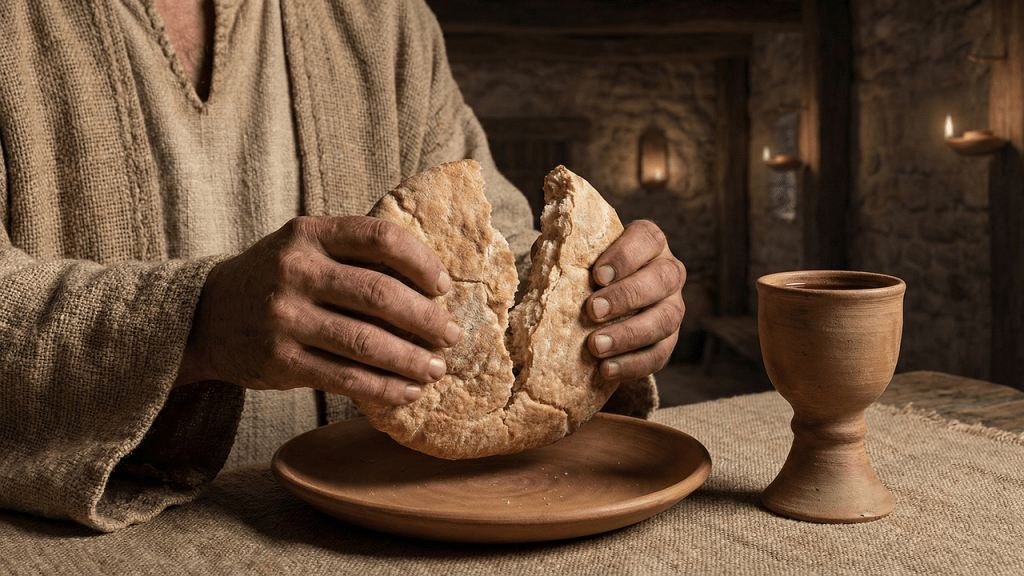

A “Sacrament” is Salvation in Installments: The Lord’s Table

I was looking at a book published by a local church that my wife and I visited recently. The book explained the doctrines held by that local body. What struck me was how the book used the term “sacraments”.

In another search, I found a book that discussed how people are increasingly “drawn” to the Anglican Liturgy (which is the formal style and rituals of that denomination – with its many “sacraments”).

Much of this rising interest in the traditional, liturgical churches stems from a desire many have to return to the outward feelings experienced in these church environments. Experiences that include worship services with candles, a beautiful sanctuary, quieter music, stained glass windows, clergy in robes, no drum and electric guitar setup on stage, and the use of old hymnals instead of jumbotrons.

This old style of things is something I’m very familiar with. Having grown up in a traditional Methodist church with a much quieter and more formal style.

Which, by the way, has its appeal. And, IF the UMC had actually preached the gospel and stood on the fundamentals of the faith, I’d still be there.

What is disturbing about all this is how Evangelicalism has jettisoned most of the Traditional stuff in favor of the “Contemporary”. Even as so many other religious groups are going back to the traditional rituals and the “contemplative” religious atmosphere.

Continue reading “A “Sacrament” is Salvation in Installments: The Lord’s Table”

Christians Seeking Rest in Christ

As a Christian, I’ve been down a lot of different roads. As in many different types of churches and schools and groups that each have their own peculiar lists of good and bad behavior.

Or of what constitutes the characteristics and works of a “good Christian”.

And each with their own certainty about the correctness of their specific views. Keeping in mind that we are talking about solidly biblical lists and ideas. Not simply some false religious traditions. Or stuff that a group has decided to camp out on that is debatable.

And there are a lot of groups that do that.

And, as I think back on these many exposures to Christian ideas, I can see a common denominator among them. Which is that the will power or self-discipline of the dedicated, sincere believer is often confused with the working of the Lord’s Spirit.

As in a Christian who works to do his best for the Lord versus a Christian who is dependent upon the Lord to do His own work in and through the believer.

Which is the difference between misery and Rest.

Continue reading “Christians Seeking Rest in Christ”

Blog at WordPress.com.

Up ↑